Veterinary Anesthesia in West End, NC
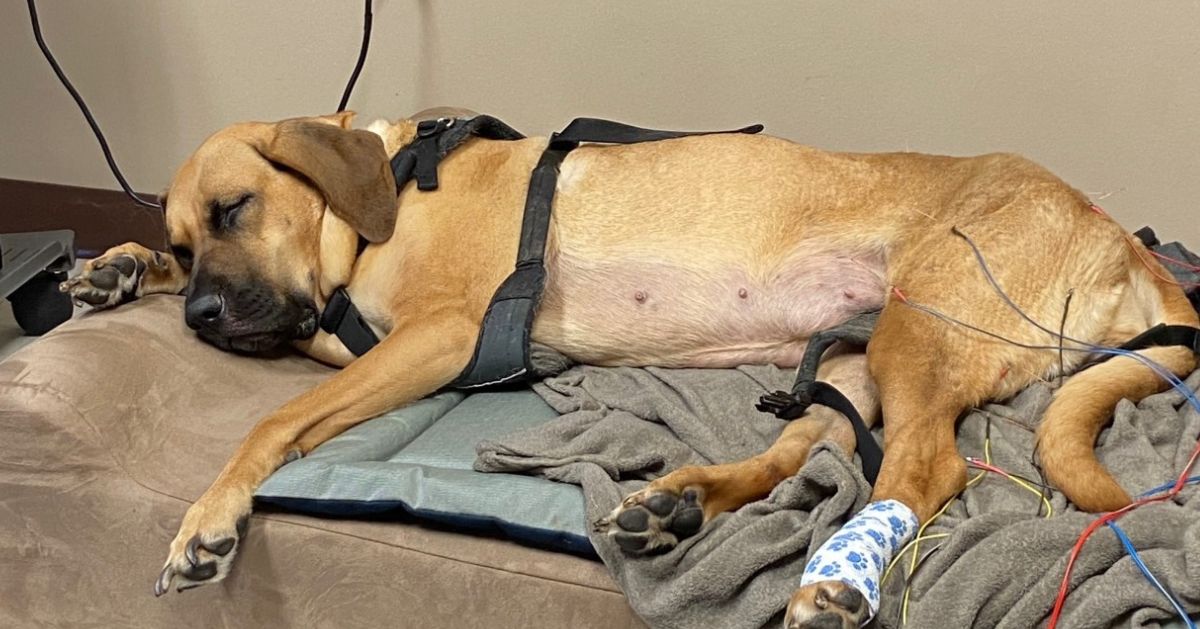
Vanguard Veterinary Hospital provides veterinary anesthesia for dogs and cats in West End, NC using patient-specific protocols, AAHA anesthesia guidelines, advanced monitoring equipment, fluid support, warming support, and dedicated anesthesia technician oversight during procedures.
Patient-Specific Anesthesia and Monitoring
Anesthesia is an important part of many veterinary procedures, and each patient’s protocol should reflect their individual health needs. At Vanguard Veterinary Hospital, anesthesia and sedation protocols are tailored to the unique requirements of each dog or cat, with close monitoring before, during, and after the procedure.

AAHA-Based

Dedicated Monitoring
Veterinary Anesthesia FAQs
Many pet owners have questions when their dog or cat needs sedation or anesthesia. At Vanguard Veterinary Hospital, anesthesia is carefully planned, monitored, and supported with equipment and protocols designed to help protect patient comfort and safety.
How does Vanguard Veterinary Hospital approach anesthesia?
Vanguard Veterinary Hospital tailors anesthesia protocols to each patient’s individual needs. Our team follows AAHA anesthesia guidelines when performing sedation or full anesthesia and considers the pet’s health, procedure, comfort, and monitoring needs before developing an anesthetic plan.
What is monitored while my pet is under anesthesia?
Will my pet receive IV fluids during anesthesia?
How does your team help pets stay warm during anesthesia?
What happens after my pet’s procedure is finished?
After the procedure, the patient is moved to a recovery area where the team continues monitoring heart rate and oxygen levels with a portable device until the pet is fully awake. This continued recovery monitoring helps our team support comfort and identify any concerns after anesthesia.
What Makes Anesthesia Support Important
Anesthesia requires more than medication alone. It involves planning, monitoring, temperature support, fluid support, pain control access, and careful recovery observation. Vanguard Veterinary Hospital uses equipment designed to monitor key vital signs and support patients throughout sedation or full anesthesia.
A designated anesthesia technician monitors each patient’s vital signs during the procedure. By assigning a team member to this role, subtle changes in parameters can be identified and adjusted rapidly. If needed, Vanguard Veterinary Hospital also has the ability to place patients on a ventilator, a machine that assists with breathing patterns during anesthesia.
External Resource:
AAHA Anesthesia Guidelines for Dogs and Cats
Safety-Focused Anesthetic Care
Careful planning and close monitoring support safer anesthetic experiences.
Every anesthetic event is managed with attention to the patient’s individual needs, vital signs, body temperature, blood pressure, oxygenation, breathing, and recovery. This detailed approach supports safe, professional care for dogs and cats undergoing procedures at Vanguard Veterinary Hospital.

IV Support

Recovery Care