Non-Invasive Support for Pain and Healing
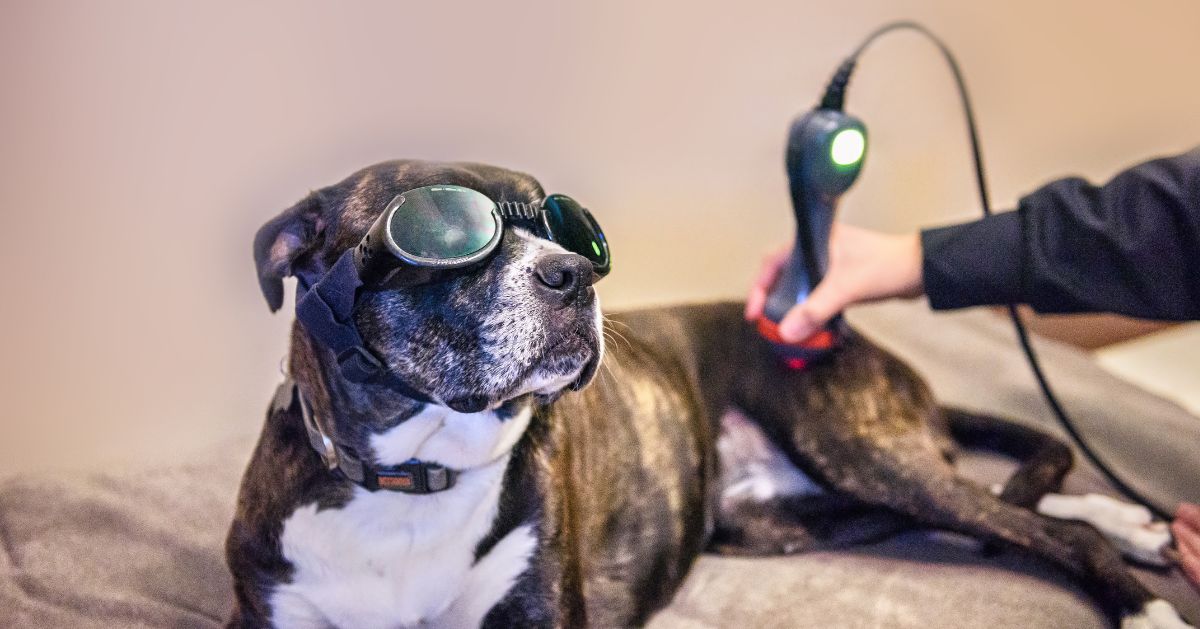
Laser therapy provides a non-invasive, pain-free, surgery-free, drug-free treatment option that can be used for a variety of conditions. At Vanguard Veterinary Hospital, Companion Laser Therapy may be recommended alongside existing treatment protocols to support pets with pain, inflammation, injury recovery, wound healing, and mobility challenges.

Pain Relief

Healing Support
How Laser Therapy Works
Laser therapy stimulates the body’s healing response from within. Non-thermal photons of light are administered to the body and absorbed by injured cells. These cells are stimulated to respond with a higher rate of metabolism, which can support pain relief, increased circulation, reduced inflammation, and accelerated healing.
Laser therapy may be helpful for pets rehabilitating from trauma or injury, healing from wounds, managing arthritis, recovering after surgery, or experiencing age-related discomfort. Because it is non-invasive and drug-free, it can often be used in conjunction with existing treatment plans. Vanguard Veterinary Hospital will recommend laser therapy based on your pet’s condition, comfort level, and care goals.
External Resource:
Companion Therapy Laser Website
Pet Laser Therapy FAQs
Laser therapy can be a helpful treatment option for dogs and cats with pain, inflammation, wounds, or mobility concerns. These FAQs explain how Companion Laser Therapy works, what conditions it may support, and what pets may experience during treatment.
What is Companion Laser Therapy?
Companion Laser Therapy is a non-invasive treatment that uses non-thermal photons of light to stimulate injured cells. At Vanguard Veterinary Hospital, laser therapy may help reduce pain, increase circulation, decrease inflammation, and accelerate healing for dogs and cats with a variety of conditions.
What conditions can laser therapy help treat?
What happens during a laser therapy session?
How quickly can laser therapy help my pet?
What signs may mean my senior pet could benefit from laser therapy?
When Laser Therapy May Help
Pets with pain, inflammation, wounds, or stiffness may benefit from therapy.
Laser therapy may be considered when a pet is recovering from surgery, healing from injury, managing arthritis, experiencing stiffness, or showing signs of discomfort. Our veterinary team can evaluate your dog or cat and determine whether Companion Laser Therapy may support their treatment plan.

Comfortable Sessions

Quality of Life